
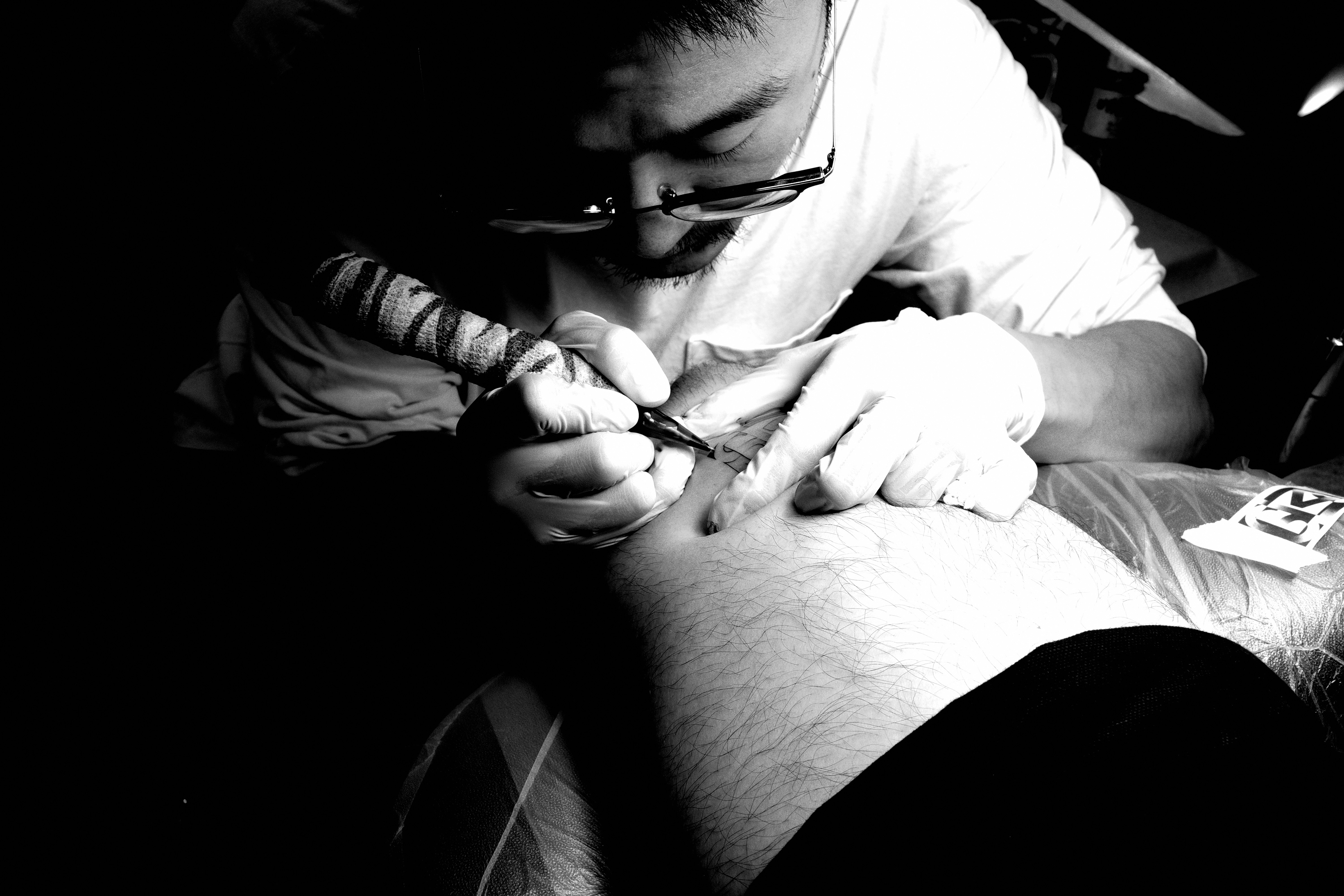
Understanding Your New Tattoo
Getting a new tattoo is an exciting experience, but it is crucial to recognize the importance of proper tattoo aftercare. After you have had your tattoo done, your skin goes through a healing process that is essential for the longevity and appearance of your new ink. Proper care during this time minimizes complications, such as infections or fading, which can affect the quality of your tattoo in the long run.
In the first few days following your tattoo session, the area will be sensitive, and it may exhibit signs of redness and swelling. These are normal reactions as your body begins to heal. During this initial healing period, the tattoo will form a protective layer known as a scab. It is vital to avoid picking at this scab, as doing so can lead to ink loss and potential scarring.
Initially, you should keep the tattoo covered and protected to allow the healing process to take place without external disruption. Using a breathable, non-stick bandage can help prevent bacteria from entering the skin. Additionally, it is recommended to refrain from submerging your tattoo in water, such as in baths or swimming pools, until it has completed the healing process.
As the healing progresses over the next few weeks, you may notice peeling or flaking skin, which is a natural part of the healing process. It’s essential to maintain cleanliness during this time. Gently wash the tattoo with mild soap and lukewarm water, followed by patting it dry with a clean towel. Keeping the area moisturized with a recommended aftercare ointment or lotion can also significantly enhance the healing process.
Ultimately, understanding the care required for your tattoo is fundamental. Following the aftercare guidelines can ensure that your artwork maintains its vibrancy and that your skin heals properly. In conclusion, proper tattoo aftercare will lead to optimal outcomes and a satisfying experience with your new tattoo.
The First Few Hours: Immediate Aftercare Tips
Immediately after getting a tattoo, it is crucial to prioritize proper aftercare to ensure healing and maintain the integrity of your new ink. One of the first steps is to keep the bandage on as recommended by your tattoo artist. Typically, this bandage should stay in place for at least a few hours, depending on the artist’s advice. It helps protect the area from bacteria and keeps the tattoo moist, which is important during the initial healing phase.
While waiting to remove the bandage, it’s important to resist the temptation to touch the tattoo. Touching can introduce bacteria and lead to infections. If you need to check on the tattoo, try to do so as minimally as possible. When it is time to remove the bandage, it should be done carefully, ideally in a shower. This keeps the area clean and helps to soften any crust that has begun to form.
After removing the bandage, you will want to gently wash the tattoo with mild, unscented soap and lukewarm water. This helps to clean the area without stripping away the natural oils crucial for healing. Avoid any products that contain alcohol or fragrances, as they can irritate the skin and hinder healing. After washing, pat the tattoo dry with a clean, soft towel. Do not rub, as it can cause further irritation.
In the initial hours after getting a tattoo, keeping your skin hydrated is essential. Most tattoo artists recommend applying a specific tattoo aftercare product or an unscented lotion that won’t cause irritation. Following these immediate aftercare tips plays a vital role in promoting healing and ensuring that your tattoo looks great for years to come.
Cleansing Your Tattoo: How and When
Proper cleansing of a fresh tattoo is crucial for its healing and overall appearance. It is recommended to begin cleaning your tattoo as soon as the protective bandage is removed, typically within the first few hours post-application. This initial clean should occur gently, using lukewarm water and mild, unscented soap. Antibacterial or fragrance-free cleansers are ideal, as they minimize the risk of irritation that can occur with harsher soaps.
When cleansing your tattoo, it is important to use your hands, avoiding any rough cloths or sponges that may disturb the healing skin. Gently lather the soap, and softly wash the tattoo in circular motions. After cleansing, rinse thoroughly to remove all soap residue, which is essential for preventing infection and ensuring a smooth healing process.
During the initial healing stage, which typically lasts for about two weeks, it is advised to clean your tattoo at least twice a day. However, if you notice any excessive sweating or exposure to dirt, you may need to cleanse it more frequently to keep the area spotless. After each wash, pat the tattoo dry with a clean paper towel rather than rubbing it, which could cause irritation.
Once the tattoo is dry, it is beneficial to apply a thin layer of tattoo aftercare ointment or moisturizer as prescribed by your tattoo artist. This helps to keep the skin hydrated and promotes healing. Monitoring your tattoo for any signs of redness, swelling, or unusual discharge is crucial, as these could indicate an infection. If any of these symptoms occur, consult with a healthcare professional promptly.
Moisturizing: Keeping Your Tattoo Hydrated
Moisturizing a new tattoo is a critical component of tattoo aftercare, as it promotes healing and preserves the integrity of the artwork. When the skin undergoes the tattooing process, it becomes a bit traumatic, resulting in inflammation and a temporary loss of moisture. Applying a suitable moisturizer helps restore hydration, aids in the healing process, and ensures that the colors remain vibrant.
It is recommended to use a fragrance-free, non-comedogenic moisturizer specially formulated for tattoos. Such products often contain natural ingredients that soothe the skin while avoiding the potential irritation caused by artificial fragrances or dyes. Brands that are often suggested by professional tattoo artists include Aquaphor, Hustle Butter, and While the ink is still fresh, it is important to allow the skin to breathe, so a light layer is generally sufficient for the initial healing phase.
In terms of application frequency, tattoos should be moisturized approximately three to four times a day, depending on the level of dryness. It is essential to monitor the tattoo closely for signs of oversaturation, such as excessive shine or a sticky residue, which may indicate that too much product has been applied. Conversely, dryness can manifest as tightness in the skin, flaking, or dullness in color.
To remedy dryness, increase the moisturizing frequency or switch to a more hydrating product. Always ensure that the tattoo is clean before applying any moisturizer to prevent the risk of infection. Proper hydration not only keeps the tattoo looking fresh but also aids the skin’s natural regeneration process.
Showering and Bathing: Best Practices
Taking care of a fresh tattoo requires careful attention, especially when it comes to showering and bathing. After getting a tattoo, it is crucial to ensure that the healing process is not compromised by water exposure. Here are some essential tips for showering with a new tattoo to promote optimal healing.
First and foremost, regulate the water temperature when showering. It is advisable to use lukewarm water rather than hot water, as hot temperatures can lead to increased swelling and irritation of the tattooed area. Gentle showers are preferable because aggressive water pressure can irritate the fresh ink and cause discomfort.
When showering, keep the duration moderate. A quick rinse is sufficient and helps to avoid prolonged exposure to water, which can soften the skin and potentially damage the tattoo. Aim for a shower that lasts no longer than five to ten minutes to prevent soaking the tattoo.
Avoid any actions that may lead to soaking your tattoo in baths or hot tubs during the healing period. Submerging the tattoo in water can increase the risk of infection and hinder the healing process. If you prefer a bath, it is best to wait until your tattoo has completely healed before returning to this practice.
While it is essential to keep the tattoo clean, the focus should be on gentle cleansing. Use mild, unscented soap to wash the tattoo area, and ensure that you rinse thoroughly to remove all soap residues. After showering, pat the tattoo dry with a clean towel, rather than rubbing it, to avoid any abrasion.
Overall, showering with a fresh tattoo necessitates a thoughtful approach to maintain its integrity and promote healing. By following these best practices, you can help ensure that your tattoo heals well without unnecessary complications.
Sleeping with a New Tattoo: Positioning Matters
When you receive a new tattoo, ensuring proper aftercare is critical for its longevity and healing. One of the significant aspects to consider during the recovery period is how you sleep. Sleeping with a new tattoo necessitates careful thought regarding positioning, which can affect comfort and ultimately the healing process.
To minimize irritation and prevent any damage to the tattoo, it is generally advised to avoid sleeping directly on the tattooed area. This means selecting a sleeping position that protects the newly inked skin. If the tattoo is on your back, side sleeping may be the best option, whereas if it is on your arm or leg, consider finding a position that allows the tattoo to rest freely without friction against the bed sheets.
Soft, breathable bedding materials can also contribute to enhancing comfort during sleep. Opt for cotton sheets, as they tend to be gentler on the skin compared to synthetic fabrics. Heavy bedding should also be avoided, as it can trap heat and moisture, conditions that may lead to irritation and hinder the healing process.
For those who find it challenging to adjust their sleeping positions, using pillows strategically can help. Placing a pillow under the arm or leg with the tattoo can elevate it away from surfaces that might cause contact. Additionally, consider wrapping the tattoo loosely with a breathable bandage if you are concerned about it sticking to the sheets during the night. However, ensure that any covering does not inhibit airflow, as adequate ventilation is crucial for healing.
In summary, proper positioning during sleep is essential to protect a new tattoo. Selecting the right sleeping positions and materials will not only enhance comfort but also contribute significantly to the tattoo’s healing. It is worth taking these factors into account to ensure that your new body art heals beautifully and without complications.
Clothing Choices: Protecting Your Tattoo
When caring for a new tattoo, selecting the right clothing is crucial to ensure its proper healing and longevity. It is recommended to avoid tight fabrics, as these can create unnecessary friction against the tattooed area, which may lead to irritation and disrupt the healing process. Instead, opt for loose-fitting clothing that allows for airflow and minimizes contact with the skin.
Cotton is an excellent material choice during the healing phase of a tattoo. Its breathable nature helps to keep the skin cool and dry, which is essential for minimizing the risk of infection. Additionally, clothing made from natural fibers is generally softer against the skin, thus reducing the chances of aggravating the tattoo.
Avoid synthetic fabrics that do not breathe well, as they can trap moisture and heat, leading to an uncomfortable and potentially harmful environment for your new tattoo. This can increase irritation and complicate healing, making it essential to choose wisely. It is also advisable to steer clear of clothing that has heavy seams or embellishments in the vicinity of the tattoo, which may also contribute to friction and discomfort.
Layering can be a beneficial strategy, especially if the weather changes throughout the day. Wearing a light, breathable layer over your tattoo can provide protection from external elements while still allowing the skin to breathe. When engaging in activities that may cause sweating, consider wearing moisture-wicking fabrics, as they draw sweat away from the skin surface and can help keep your tattoo dry.
In conclusion, clothing choices play a vital role in protecting your new tattoo during the healing process. By prioritizing loose, breathable fabrics, and avoiding constrictive and synthetic materials, you can support your tattoo’s recovery and maintain its vibrant appearance for years to come.
Exercise: Keeping Active While Healing
After getting a tattoo, it is essential to take appropriate care to ensure proper healing. One significant aspect to consider during this period is physical activity. While remaining active is beneficial for overall health, it is crucial to approach exercise with caution in the days following your tattoo session. Understanding when to resume workouts and what activities to avoid will aid in the healing process.
Typically, it is advisable to avoid vigorous workouts for at least 5 to 10 days post-tattoo application. This time allows the skin to heal without the added pressure of sweat and friction that intense activities can cause. Activities like running, weight lifting, or any form of high-impact training can irritate the fresh ink and lead to potential complications, such as fading, scabbing, or infection.
During the healing process, low-impact exercises such as walking or gentle yoga can be beneficial. These activities help maintain blood circulation without putting stress on the tattooed area. It is essential to listen to your body during this time; if any discomfort occurs in or around the tattoo, it’s best to stop and rest. Protective measures should also be taken, such as wearing breathable, loose clothing to prevent unnecessary friction on the tattoo.
Once the tattoo has adequately healed, individuals can gradually resume their regular workout routines. However, it is advisable to keep the tattoo moisturized and protected from sun exposure during outdoor activities. Also, consider using a high-SPF sunscreen on the area to avoid fading of the tattoo colors over time. By taking these steps and being mindful of activity levels post-tattoo, one can ensure that their body remains active while also respecting the need for healing.
Understanding Healing Stages and What to Avoid
Obtaining a tattoo is a significant commitment, and understanding the healing stages is crucial to achieving optimal results. The healing process typically unfolds in several stages, each requiring specific care and attention to maximize the tattoo’s quality and clarity.
The first stage begins immediately after the tattooing procedure, known as the inflammatory stage. During this initial period, the tattooed area may appear red and swollen as the body responds to the trauma of the needle. To optimize healing during this stage, it is essential to keep the area clean and moisturized. Avoid exposing the tattoo to direct sunlight and refrain from swimming in hot tubs or pools, as these can introduce bacteria and lead to infection.
As the days progress, the tattoo enters the second stage of healing, commonly referred to as the scabbing stage. This typically occurs between days three and seven, where the tattoo may start to scab over. It is imperative to resist picking at the scabs, as this can cause color loss and disrupt the tattoo’s design. Instead, gently pat the area with a soft cloth or apply a fragrance-free moisturizer to alleviate dryness.
In the third stage, which may start around week two, the skin begins to flake and peel, shedding dead skin cells. At this time, some people may feel tempted to scrub the tattoo, but this should be avoided. Gentle washing with mild soap and applying a healing ointment or moisturizer is recommended. It is also essential to avoid tight clothing over the tattooed area, as friction can hinder the healing process.
Finally, after approximately four to six weeks, the tattoo reaches the final maturation stage. While the outer layer of skin may appear healed, the deeper layers may still be adjusting. It is vital to continue protecting the tattoo from prolonged sun exposure and to avoid any activities that may cause excessive sweating. Following these guidelines can ensure that your tattoo heals beautifully and remains vibrant for years to come.